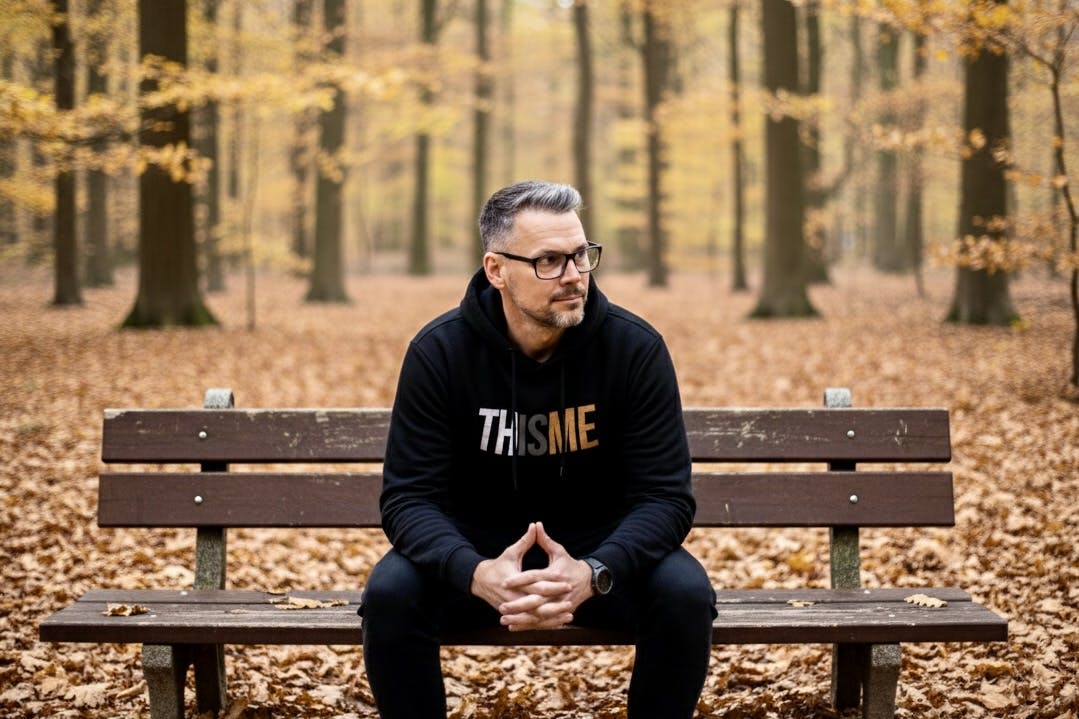
Created Reality: From Evolution to AI
2025.10.11.
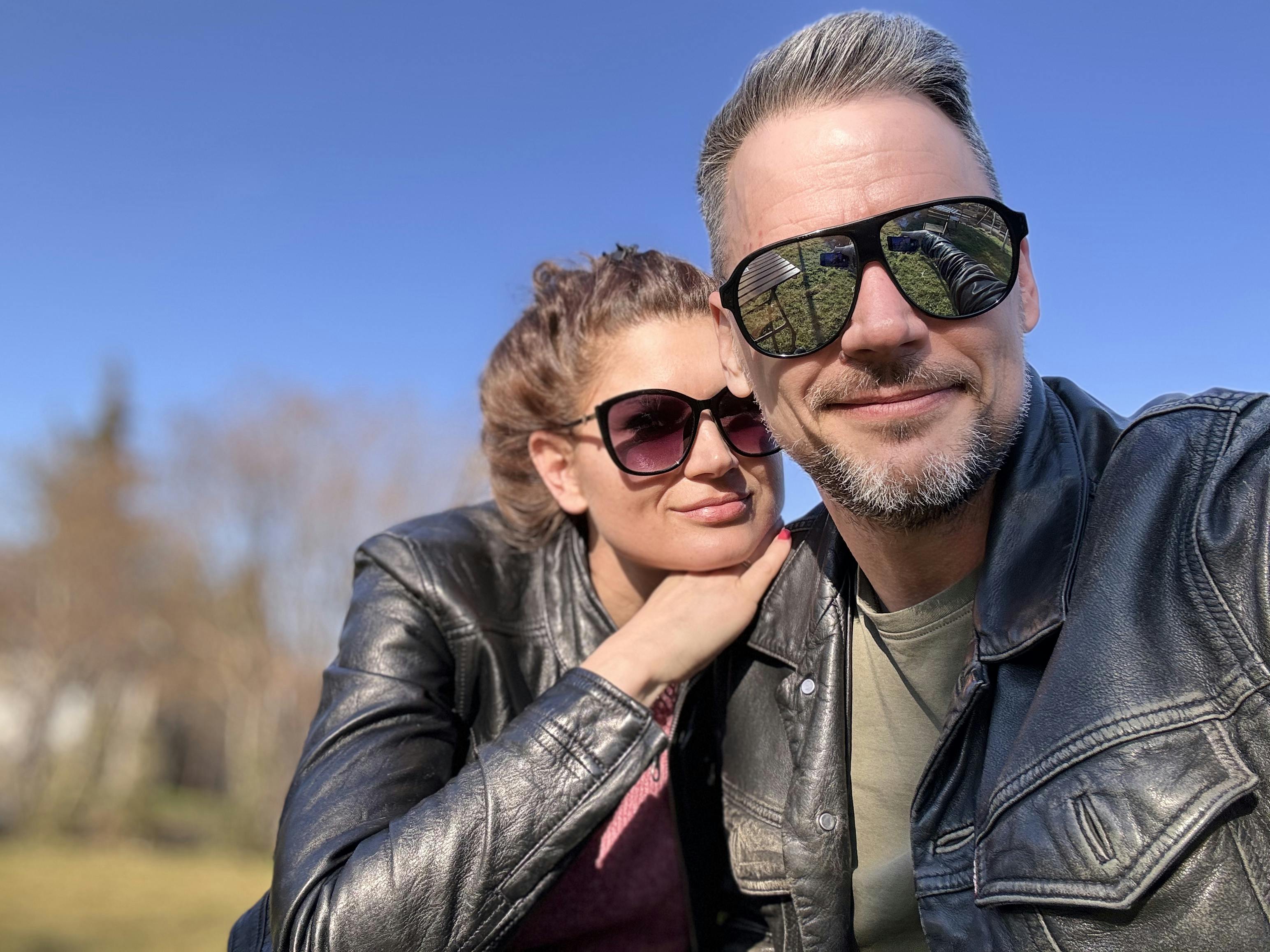
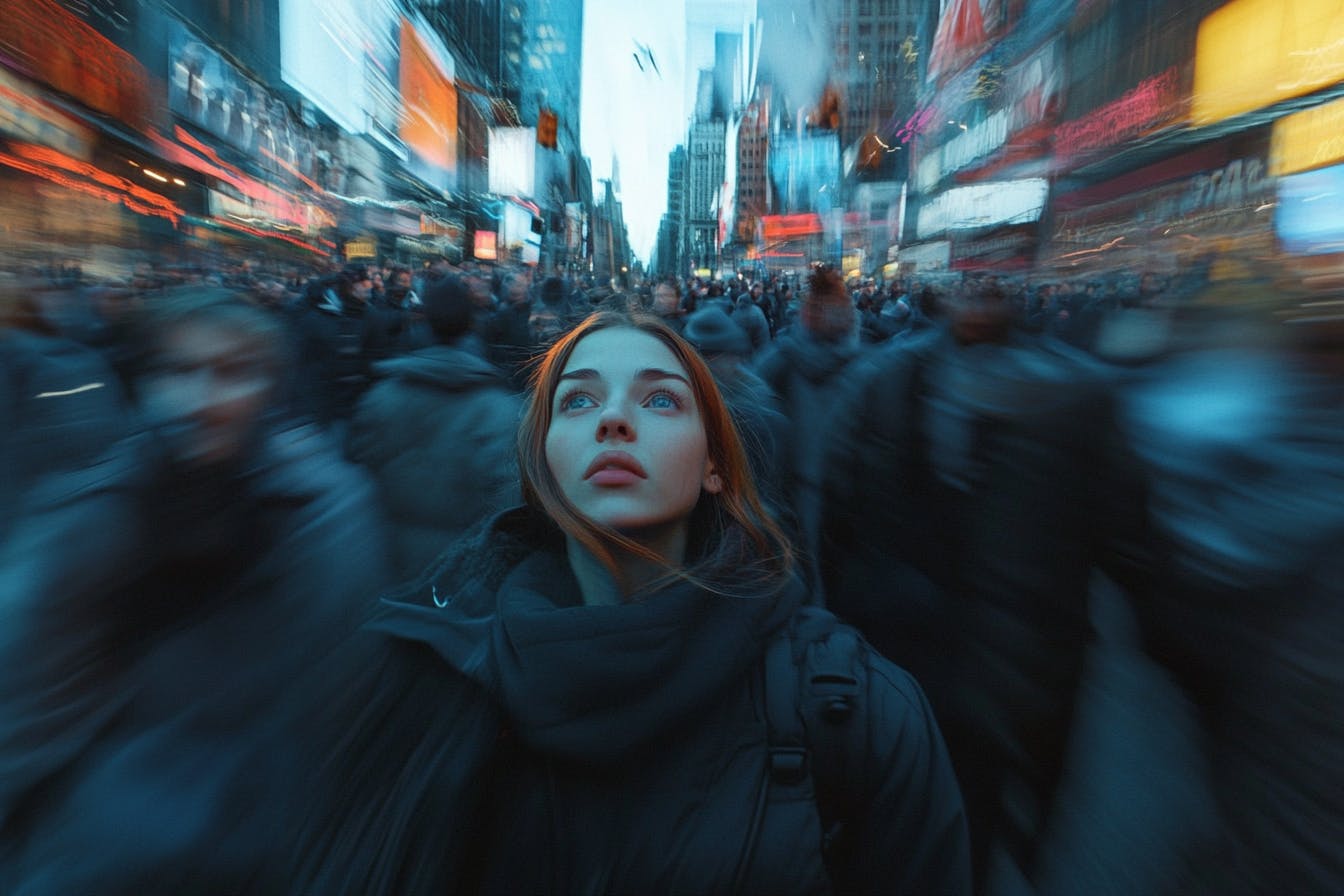
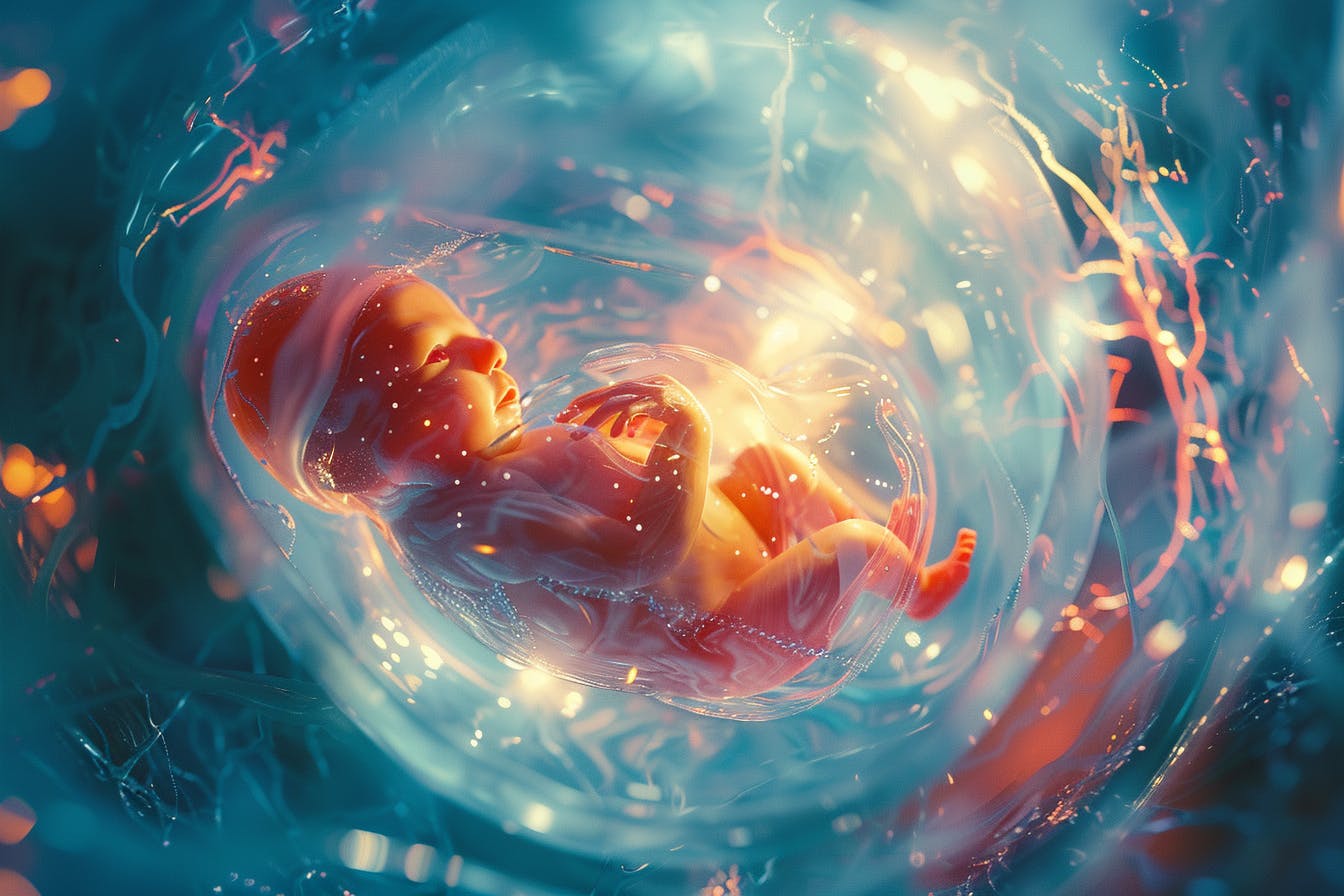
In connection with the "Promised Land" project, the thought occurred to me: how do we create our own reality, or how do others create our reality for us? This is such a common phenomenon that we often don't even notice what is being built around us. In this "created reality," we intentionally shape the perception of reality according to a specific image or narrative. This can be personal (such as an individual shaping their appearance and online profile), social (the shared myths and norms of communities), political (propaganda and manipulated news), or business-related (brand images built by marketing), among many other fields. Its essence is that for a specific purpose—be it self-expression, persuasion, profit, or social cohesion—we do not merely reflect reality; we actively shape it.
Why do we "create" reality? What motivates us to mold or embellish the truth? The roots of this behavior lie deep within the human psyche and our evolutionary history.
- Evolutionary Reasons: As social beings, humans have always needed stories and explanations to understand the world and hold communities together. Shaping reality—whether it’s a colorful hunting story or an exaggerated resume—can help build self-confidence or persuade others, thereby increasing the chances of survival.
- Psychological Reasons: There is a deep desire to maintain a positive self-image. We tend to shape our perception of reality to be favorable to us. This is where confirmation bias (noticing only what confirms our beliefs) or the Dunning-Kruger effect (where those with limited knowledge are often more confident because they are unaware of their deficiencies) come into play.
- Social Needs: The desire to belong and gain acceptance. We often "create" to meet others' expectations or to grab attention—just think of how many times we show a more beautiful version of our lives on social media than what we actually live.
1. Created Reality in the Natural World
The need to manipulate reality is not unique to humans; the animal world is full of examples where organisms "create illusions" for survival. Many animals use camouflage to blend into their environment or use specific patterns to break up the outlines of their bodies (like a zebra’s stripes or a tiger’s coat). This concealment helps them hide from predators or, as a predator, remain invisible to prey.
Some species use mimicry, evolving to look like another, more dangerous or undesirable species. For example, an edible insect might imitate a poisonous one so that predators leave it alone. A classic example is the Monarch and Viceroy butterflies: the Viceroy’s color and pattern are nearly identical to the toxic Monarch, leading birds to avoid both.
Beyond camouflage and mimicry, animals sometimes use deceptive signals. Many moths and small birds have "eye spots" on their wings or feathers; when unfolded, they resemble the eyes of a larger predator (like an owl), scaring away attackers. Others "play dead" (like an opossum "playing possum"), hoping the predator loses interest in a motionless carcass.
Predators also use deception. Through aggressive mimicry, a predator imitates something harmless or attractive to lure its victim. A popular example is the Anglerfish, which lies motionless on the dark seabed, dangling a "lure" (a modified dorsal fin) that looks like a tasty worm.
The Alligator Snapping Turtle does something similar: it waits with its mouth open, wiggling its pink, worm-shaped tongue to lure fish directly into its jaws. These examples show that the roots of created reality go deep into the struggle for survival: often, the winner is the one who can more skillfully shape the perception of reality.
2. Historical Precedents of Human Reality Distortion
2.1 The Created Self of Ancient Times
Created reality is not a new phenomenon. Even in prehistoric times, we see efforts to shape reality through body decoration and ritual. Prehistoric cave paintings were likely not just depictions of hunts but served magical purposes—painting a "desired reality" on the wall to ensure a successful hunt. The "created self" appeared in body paint and tattoos; war paint served as a psychological weapon, making a warrior appear more fearsome and "tuning up" their physical reality with a layer of intimidation.
2.2 Myths and Religions
As human communities grew larger, shared stories became vital. Myths and religions were humanity's first great collective created realities. Every culture created creation myths, gods, and legends to explain natural phenomena. While often fantastic and non-factual, their purpose was to provide meaning to uncertainty and provide social cohesion.
2.3 Historical Revisionism
Perhaps the most obvious examples of intentional distortion are power-driven propaganda and historical falsification. Since the dawn of rulers, there has been a need to present events in a favorable light.
- Ancient Egypt: Pharaoh Ramses II portrayed the Battle of Kadesh as a massive victory in his inscriptions, even though historians believe it was a stalemate.
- The 20th Century: Dictatorships took this to a new level. Stalin famously had political rivals airbrushed out of history books and photographs—literally rewriting the past. Goebbels in Nazi Germany built a worldview through simple, repeated slogans and powerful visual propaganda, creating a distorted reality that shaped the consciousness of millions.
3. Modern Created Reality
3.1 The Reality of Desire (Marketing)
In the 21st century, marketing and advertising manufacture created reality on an industrial scale. An auto commercial doesn't just sell a vehicle; it sells an aspirational lifestyle. By placing products in the context of an ideal life, brands tap into our deepest desires. Perfume ads don't list ingredients; they show scenes of elegance and romance. We are sold the illusion that a product is the key to confidence, success, or happiness.
3.2 Media Framing
The mass media frames reality by choosing which stories to highlight and which to ignore. This is called agenda-setting: the media doesn't necessarily tell us what to think, but it tells us what to think about. Furthermore, reality shows—despite their name—are often the most "created" genre of all. Producers script conflicts, instruct participants, and reshoot scenes to ensure maximum drama. Viewers often forget that what they are seeing is a "staged reality."
4. The Digital Revolution
4.1 New Spaces for Self-Expression
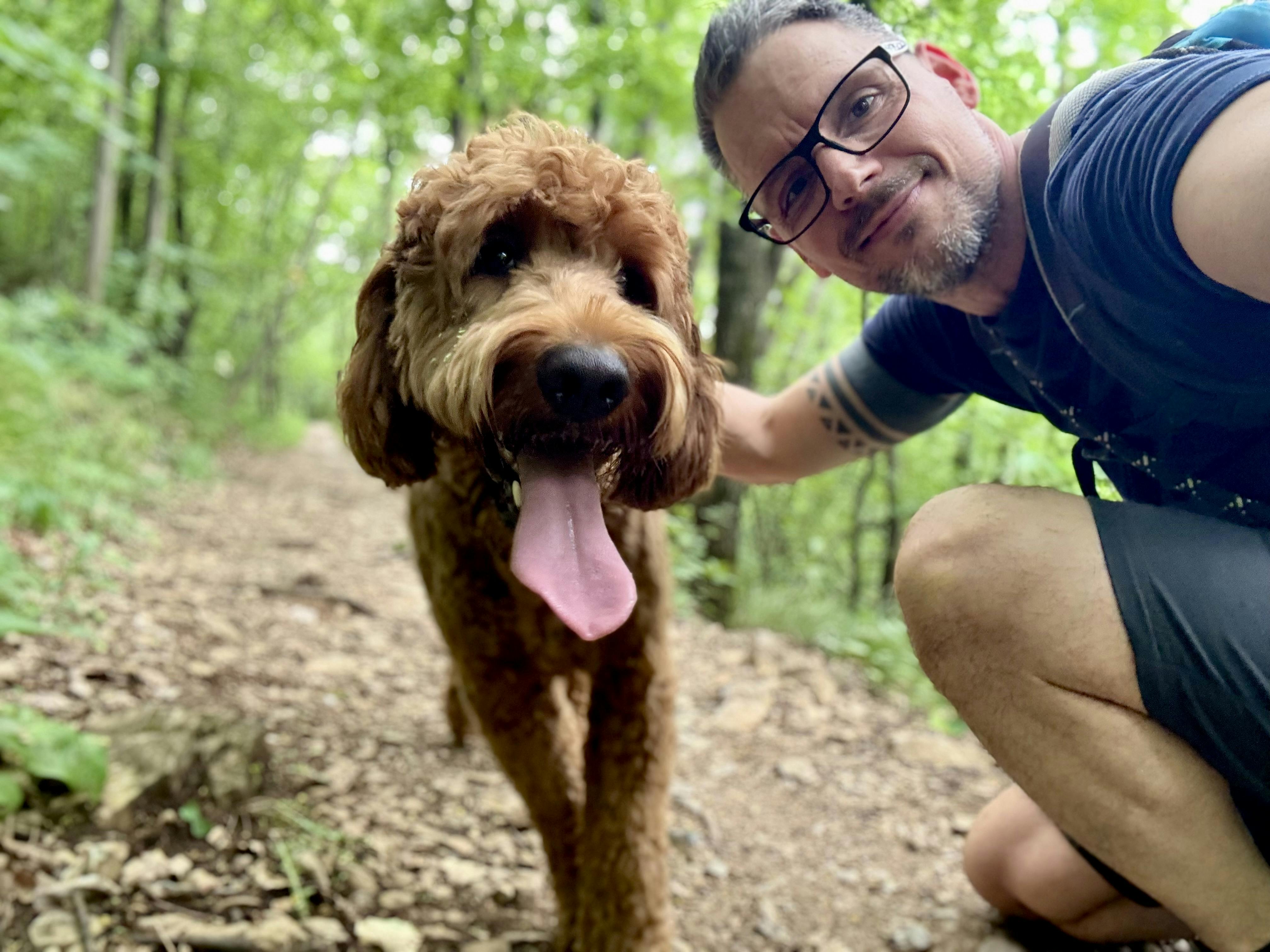
Social media platforms (Facebook, Instagram, TikTok) have democratized self-expression but also act as catalysts for reality creation. We see the world through filters and algorithms, and we show ourselves through them as well. Most users share a "highlight reel"—the best, most beautiful moments—while the mundane or difficult parts of life remain invisible.
[Image illustrating the 'highlight reel' effect on social media vs real life]
4.2 Likes, Anxiety, and Narcissism
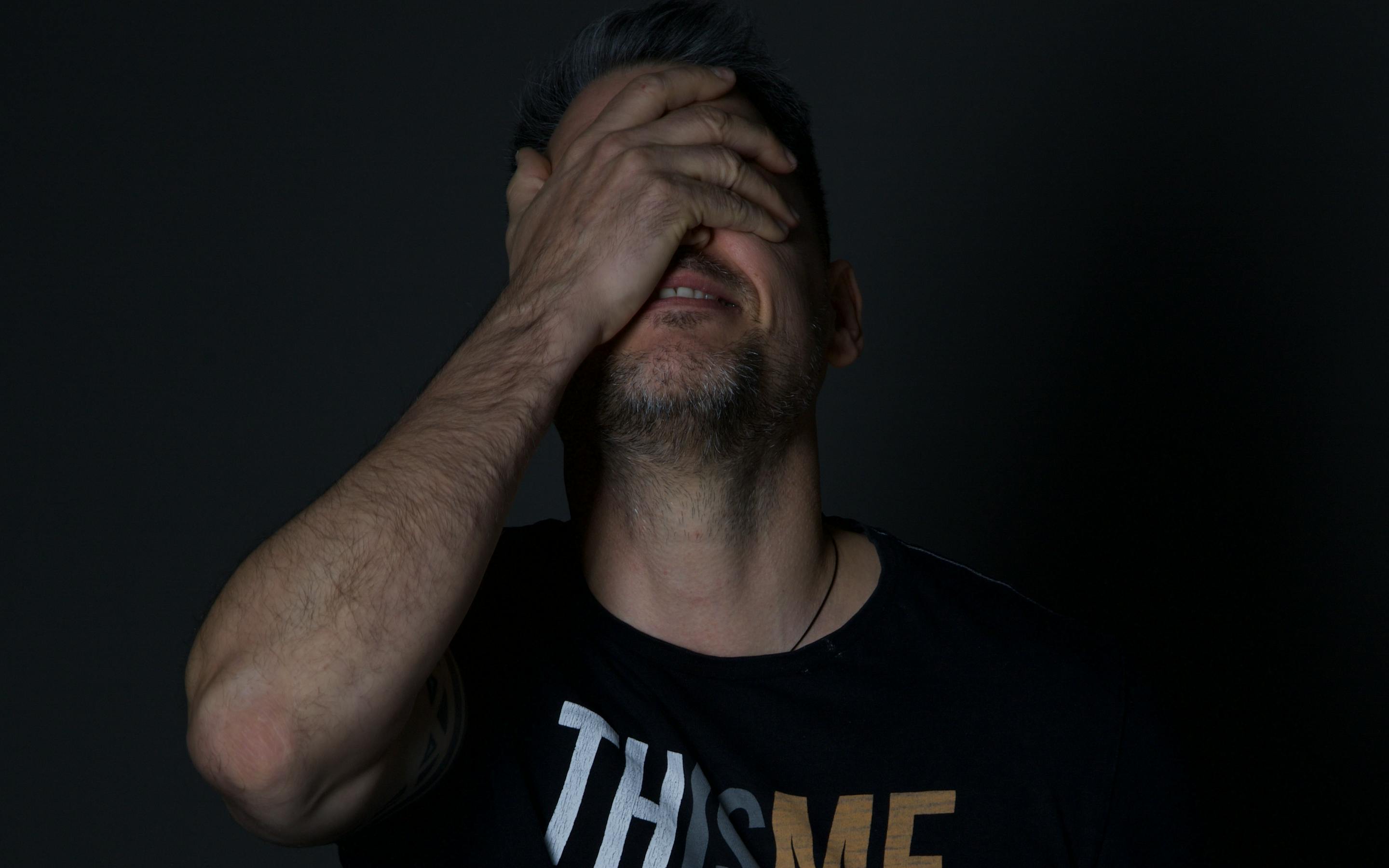
This constant "Perfect Self" project leads to social comparison. We measure our behind-the-scenes reality against everyone else's highlight reel. This can lead to:
- FOMO (Fear of Missing Out): The anxiety that others are having more fun.
- Validation Addiction: Depending on likes and comments for self-esteem.
- Narcissism: Studies suggest that the constant "me, me, me" focus of social media can increase narcissistic personality traits.
5. Post-Truth
We live in a post-truth era, where objective facts are less influential than appeals to emotion and personal belief.
- Filter Bubbles: Algorithms show us what we already agree with, trapping us in "echo chambers."
- Credibility Crisis: In a space where anyone can be an "expert," misinformation spreads faster than fact-checkers can keep up.
6. The Created Reality of Artificial Intelligence
6.1 Deepfakes and Synthetic Media
AI is blurring the lines further with deepfakes—AI-generated videos or audio that make people appear to say or do things they never did.
[Image demonstrating the process of deepfake face swapping]
As this technology evolves, it becomes nearly impossible for the average user to distinguish between real and synthetic media. This provides a terrifying new toolkit for propaganda and identity theft.
6.2 The Trust Crisis
The result is a worldwide decline in trust. If we cannot believe our own eyes and ears, we become either apathetic or susceptible to conspiracy theories. This erosion of a "shared reality" threatens the very foundation of democracy, which requires informed citizens to engage in rational debate.
7. The Battle of Worlds (Conclusion)
Created reality is an inescapable part of the human experience. The goal is not to eliminate it—after all, we need imagination and stories to inspire us—but to find balance.
What can we do?
- Develop Critical Thinking: Don't accept everything at face value. Ask: "Who is saying this, and why?"
- Digital Literacy: Understand how algorithms and deepfakes work to become less vulnerable.
- Nurture Authentic Connections: Real-life interactions provide the "grounding" we need to stay connected to actual reality.
- Accept Imperfection: Practice "digital detoxes" and learn to be comfortable in a reality that isn't filtered or perfect.
Reality and created reality are like light and shadow; they always go together. The challenge of the 21st century is to use our reality-shaping tools for expression, not deception. By seeking the core of truth behind every created image, we can find our way through the stormy sea of the modern age.
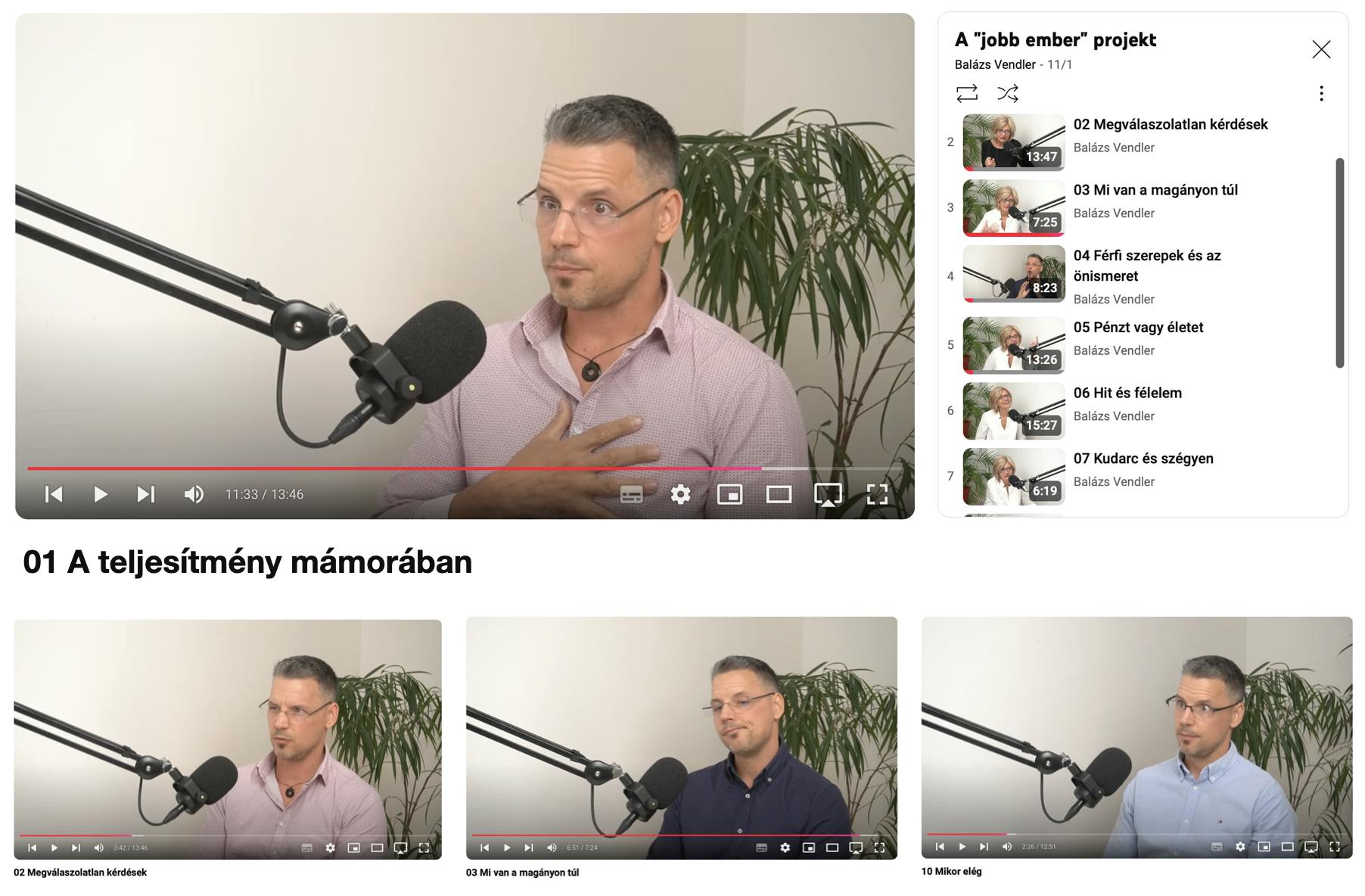
This article was created with the help of 4 AI systems:
- Vendler AI: Fine-tuning the logic of the problem statement.
- ChatGPT Deep Research: Compiling the list of examples used.
- Gemini Deep Research: Reviewing the final material for factual errors.
- Gemini Imagen: Photography/Visuals.